Published
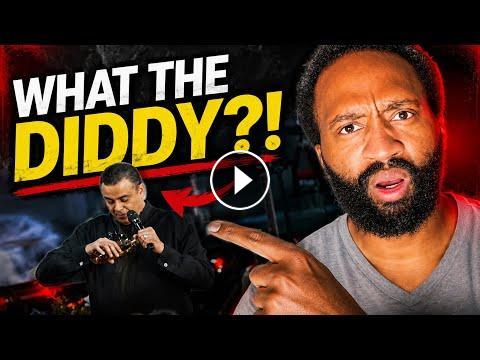
In this video, we examine a disturbing sermon from Dag Heward-Mills in which the pastor pours oil all over himself while preaching a message heavily focused on money, loyalty, and unquestioned submission to spiritual leadership.
Original video: https://www.youtube.com/live/Xw6sbPHJX6w?si=gZLMDYju90fmdtii
The use of oil in Scripture had specific purposes, including the anointing of priests, kings, and certain objects set apart for service to God. However, pouring oil on yourself during a sermon does not automatically make the moment biblical, prophetic, or spiritually powerful. Dramatic demonstrations must still be tested by Scripture. Emotional intensity and unusual behavior are not substitutes for sound doctrine.
One of the biggest concerns in this sermon is the repeated emphasis on money. Instead of clearly preaching Christ, repentance, holiness, and the gospel, the message appears to place a great deal of pressure on people to give financially. When sermons consistently connect money with blessings, protection, favor, promotion, or access to God’s power, believers need to slow down and examine what is being taught.
Giving should never be manipulated. The Bible teaches that Christians should give willingly, cheerfully, and according to what they have decided in their own hearts. Giving should not come through fear, public embarrassment, spiritual threats, or promises that God will return a financial miracle because someone gave a certain amount.
Another major issue is the suggestion that church members should not disagree with their pastor. Respecting spiritual leadership is biblical, but unquestioned loyalty is not. Pastors are not above correction. They are not infallible, and they do not possess unlimited authority over the lives of church members.
The Bereans were commended in Acts 17 because they examined the Scriptures daily to determine whether Paul’s teaching was true. If the apostle Paul’s words could be tested against Scripture, then the words of every modern pastor must also be tested.
A faithful pastor should not be afraid of biblical questions. A healthy church does not treat disagreement as rebellion or criticism as an attack against God. Leaders should be willing to explain their teaching, receive correction, and admit when they are wrong.
Statements that discourage people from questioning pastors can create an unhealthy culture where spiritual abuse, financial manipulation, and false doctrine are allowed to continue without accountability. When the authority of the pastor becomes more important than the authority of Scripture, the church is in serious danger.
Pastors are called to shepherd the flock, not dominate it. First Peter 5 warns elders not to lord their authority over those entrusted to them. Church members belong to Christ, not to the pastor. Jesus is the Chief Shepherd, and every minister will answer to Him for how they treated His people.
We must reject the idea that questioning a pastor automatically means someone is rebellious, dishonorable, or operating under a demonic spirit. There is a difference between being disrespectful and exercising biblical discernment. Christians are commanded to test everything and hold fast to what is good.
No amount of oil, shouting, excitement, titles, crowds, or financial success can make false teaching true. The final authority is not a bishop, apostle, prophet, pastor, denomination, or church tradition. The final authority is the Word of God.
Leave your thoughts in the comments. Was this biblical preaching, or was it another example of religious performance, financial pressure, and excessive pastoral authority?
Please remember to like the video, subscribe to All Things Theology, and turn on notifications for more sermon reviews, theological discussions, and examinations of questionable teaching in the modern church.
#DagHewardMills #ChurchMoney #ProsperityGospel #SpiritualAbuse #FalseTeaching #PastorWorship #ChurchLeadership #BiblicalDiscernment #SermonReview #ChristianYouTube #AllThingsTheology #Kdub #PulpitCrimes
Software I use (Ecamm) Sign up with this link: https://www.ecamm.com/mac/ecammlive/?fp_ref=christopher23
AFFILIATES
Amazon: https://www.amazon.com/shop/allthingstheology
Covenant Eyes: https://covenanteyes.sjv.io/zNYmqG
Join this channel to get access to perks:
https://www.youtube.com/channel/UCrLO95wGXUW0fY00Rss4aGw/join
Website: kdubtru.com
Music: https://open.spotify.com/artist/1TohVbZFbpZsW5yubbhYm3
Subscribe & click ???? for notifications of premieres and live
streams!
Follow me on social media:
Twitter.com/kdubtru
Facebook.com/allthingstheology
instagram.com/kdub.tru/
SUPPORT:
Patreon.com/kdubtru
Listen on podcast: https://anchor.fm/allthingstheology
Email for interviews or booking:
allthingstheology@gmail.com
Original video: https://www.youtube.com/live/Xw6sbPHJX6w?si=gZLMDYju90fmdtii
The use of oil in Scripture had specific purposes, including the anointing of priests, kings, and certain objects set apart for service to God. However, pouring oil on yourself during a sermon does not automatically make the moment biblical, prophetic, or spiritually powerful. Dramatic demonstrations must still be tested by Scripture. Emotional intensity and unusual behavior are not substitutes for sound doctrine.
One of the biggest concerns in this sermon is the repeated emphasis on money. Instead of clearly preaching Christ, repentance, holiness, and the gospel, the message appears to place a great deal of pressure on people to give financially. When sermons consistently connect money with blessings, protection, favor, promotion, or access to God’s power, believers need to slow down and examine what is being taught.
Giving should never be manipulated. The Bible teaches that Christians should give willingly, cheerfully, and according to what they have decided in their own hearts. Giving should not come through fear, public embarrassment, spiritual threats, or promises that God will return a financial miracle because someone gave a certain amount.
Another major issue is the suggestion that church members should not disagree with their pastor. Respecting spiritual leadership is biblical, but unquestioned loyalty is not. Pastors are not above correction. They are not infallible, and they do not possess unlimited authority over the lives of church members.
The Bereans were commended in Acts 17 because they examined the Scriptures daily to determine whether Paul’s teaching was true. If the apostle Paul’s words could be tested against Scripture, then the words of every modern pastor must also be tested.
A faithful pastor should not be afraid of biblical questions. A healthy church does not treat disagreement as rebellion or criticism as an attack against God. Leaders should be willing to explain their teaching, receive correction, and admit when they are wrong.
Statements that discourage people from questioning pastors can create an unhealthy culture where spiritual abuse, financial manipulation, and false doctrine are allowed to continue without accountability. When the authority of the pastor becomes more important than the authority of Scripture, the church is in serious danger.
Pastors are called to shepherd the flock, not dominate it. First Peter 5 warns elders not to lord their authority over those entrusted to them. Church members belong to Christ, not to the pastor. Jesus is the Chief Shepherd, and every minister will answer to Him for how they treated His people.
We must reject the idea that questioning a pastor automatically means someone is rebellious, dishonorable, or operating under a demonic spirit. There is a difference between being disrespectful and exercising biblical discernment. Christians are commanded to test everything and hold fast to what is good.
No amount of oil, shouting, excitement, titles, crowds, or financial success can make false teaching true. The final authority is not a bishop, apostle, prophet, pastor, denomination, or church tradition. The final authority is the Word of God.
Leave your thoughts in the comments. Was this biblical preaching, or was it another example of religious performance, financial pressure, and excessive pastoral authority?
Please remember to like the video, subscribe to All Things Theology, and turn on notifications for more sermon reviews, theological discussions, and examinations of questionable teaching in the modern church.
#DagHewardMills #ChurchMoney #ProsperityGospel #SpiritualAbuse #FalseTeaching #PastorWorship #ChurchLeadership #BiblicalDiscernment #SermonReview #ChristianYouTube #AllThingsTheology #Kdub #PulpitCrimes
Software I use (Ecamm) Sign up with this link: https://www.ecamm.com/mac/ecammlive/?fp_ref=christopher23
AFFILIATES
Amazon: https://www.amazon.com/shop/allthingstheology
Covenant Eyes: https://covenanteyes.sjv.io/zNYmqG
Join this channel to get access to perks:
https://www.youtube.com/channel/UCrLO95wGXUW0fY00Rss4aGw/join
Website: kdubtru.com
Music: https://open.spotify.com/artist/1TohVbZFbpZsW5yubbhYm3
Subscribe & click ???? for notifications of premieres and live
streams!
Follow me on social media:
Twitter.com/kdubtru
Facebook.com/allthingstheology
instagram.com/kdub.tru/
SUPPORT:
Patreon.com/kdubtru
Listen on podcast: https://anchor.fm/allthingstheology
Email for interviews or booking:
allthingstheology@gmail.com
- Catégories
- vidéos/films
- Mots-clés
- dag heward-mills, jonathan shuttlesworth, kdubtru

Soyez le premier à commenter cette vidéo.
Up Next
Autoplay
-
00:24

Vladimir Putin attends Orthodox Christmas service by himself | USA TODAY #Shorts
-
00:43
Beat him with scripture #scripture #bible #christian #god #relatable
-
27:21
Dr. Lakara Foster Claims She's Both Christian AND a Medium—Here's What Scripture Says
-
00:11
Scripture tells us how we need to live #scripture #truth #facts #real #christianity
-
08:59
Reflipped by Yannick Chretien - A Hidden Gem Of Oil & Water #71
-
28:48
Anoint With Olive Oil at Midnight – Every Curse Will Shatter Instantly | Maya's watchtower
-
34:41
Christian Nationalism Is Demonic. Here’s What the Bible Actually Says
-
00:24
Start here. Trust me #bible #god #scripture #christian
-
00:52
Was Jesus Praying to Himself?
-
31:25
God Sent You Here Today – Here's Why - Bishop Robert Barron
-
27:06

JOB: PELÍCULA COMPLETA | La Historia MÁS DOLOROSA y PODEROSA de FE JAMÁS CONTADA
-
03:14

Faveur Mukoko - Enfant Chérie (Clip Officiel)
-
03:29

INDIRA - Tout Sauf La Honte (Clip Officiel)
-
2:28:32
![JOSHUA KPLE NAYA 1-2-3-4-5-6 [ Ibo Film Complet En Éwé 2023]](https://videos.chretienskabyles.com/uploads/thumbs/b369ed939-1.jpg)
JOSHUA KPLE NAYA 1-2-3-4-5-6 [ Ibo Film Complet En Éwé 2023]
-
2:05:53

Le Pasteur et la Prostituée. FILM CHRÉTIEN
-
1:13:43

LA VOLONTÉ DE DIEU DANS LE CHOIX D'UN CONJOINT/FILM CHRÉTIENS 2023/COMPLET EN FRANÇAIS
-
11:22

UNE FEMME RICHE ACHÈTE UN SANS-ABRI
-
1:16:52

????GOD SAYS : I AM HEALING YOU TONIGHT.I WANT TO GIVE YOU $50,000,000,000 MONEY INTO YOUR BANK ACCO
-
2:04:14
JEUDI 03 OCTOBRE 2024 à Bujumbura, Fr ALBERT NUMBI KAPEMBA
-
26:51

Film ibo ewe MAWU SUBƆSUBƆDƆ 1-2 ( abonné vous que tu peux voir numéro 3-4